Essential Plumbing Services: How to Select the Right Plumber for Your Home
Selecting the right plumber for your home can be a challenging task. Homeowners must consider various factors, including qualifications, experience, and pricing. Many overlook essential steps, which can lead to expensive mistakes. Understanding common plumbing issues and knowing what to look for in a plumber is crucial. What are the key attributes that truly make a plumber trustworthy? Exploring these elements can greatly influence long-term maintenance and satisfaction.
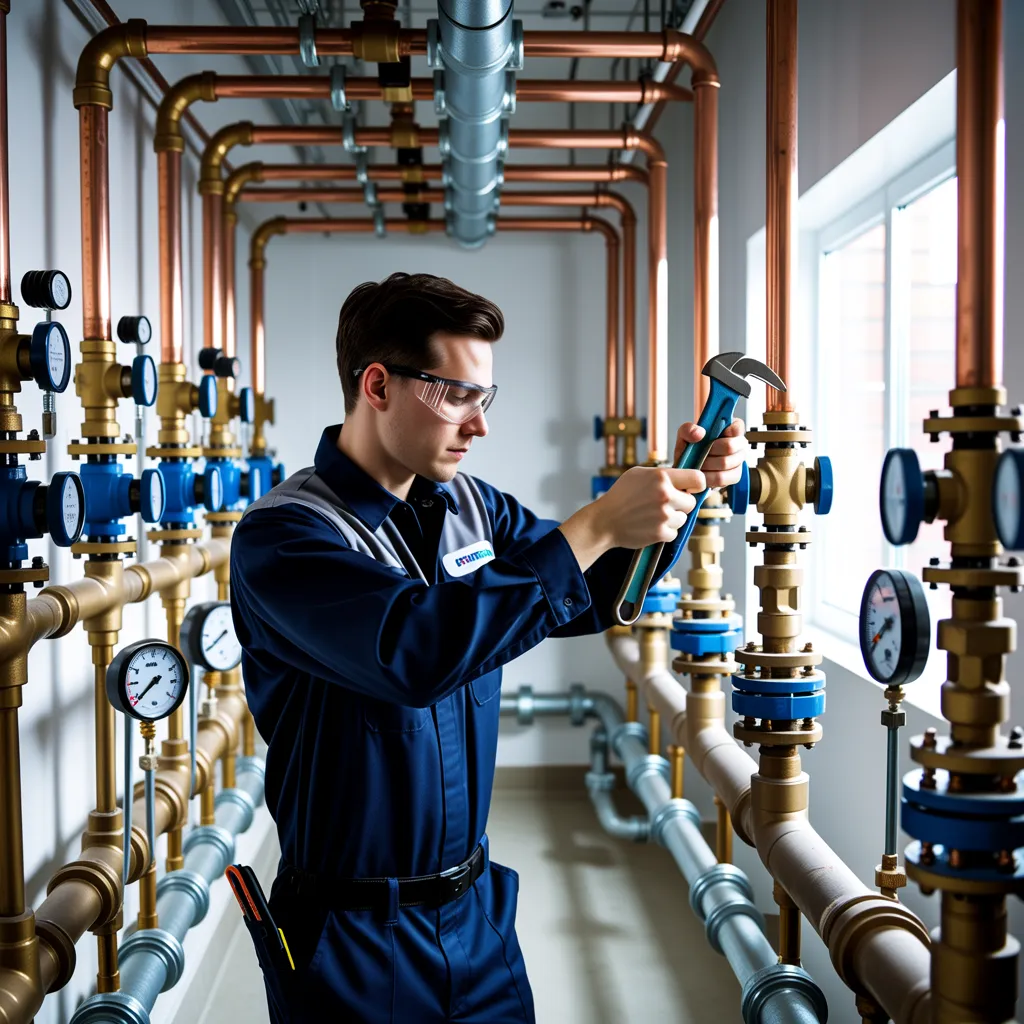
Widespread Plumbing Troubles to Look Out For
Many homeowners encounter a range of plumbing issues that can disrupt daily life. Common problems consist of leaky faucets, which not only squander water but also lead to higher utility bills. Clogged drains are another frequent issue, often caused by the buildup of grease, hair, or foreign objects. These clogs can cause slow drainage or even overflow. Additionally, running detailed resource toilets squander significant amounts of water, often due to faulty flappers or fill valves. Pipe leaks can occur in both visible and hidden locations, potentially causing extensive water damage if left unaddressed. Water heater issues, such as inconsistent temperatures or leaks, can impact comfort and convenience. Finally, low water pressure may suggest a problem with the plumbing system, affecting the overall functionality of fixtures throughout the home. Awareness of these common plumbing issues can help homeowners implement preventive measures to preserve their systems effectively.
Essential Qualifications to Search For in Your Plumber
What essential qualifications should property owners consider when employing a plumber? First and foremost, proper licensing is essential. A licensed plumber has met local requirements and demonstrates a level of professionalism and skill. Homeowners should also look for plumbers who maintain adequate coverage, including liability coverage and worker's compensation, to safeguard from potential damages or injuries during the job.
In addition, credentials from well-known professional associations can display a plumber's commitment to ongoing education and adherence to professional guidelines. Homeowners should favor those with specialized training in specific plumbing fields, including residential or commercial plumbing.
Additionally, a comprehensive understanding of regional codes and standards is critical to secure compliance during renovation work or installation activities. In conclusion, effective communication skills are critical, facilitating the plumber to communicate problems and answers clearly, fostering mutual understanding and trust between the resident and the professional.
Evaluating a Plumber's Experience and Reputation
When examining a plumber's experience and reputation, the number of years in business functions as an important metric of trustworthiness and knowledge. Additionally, industry certifications can demonstrate a plumber's devotion to professional standards and ongoing education. As a whole, these factors offer valuable insight into the standard of work one can expect.
Years Active the Business
A plumbing professional's years in business can significantly impact their experience and reputation within the local area. Established plumbers often have a track record that reflects their ability to handle different plumbing problems successfully. Extended time in the business typically indicates a commitment to quality service, as these experts have navigated challenges and built relationships over time. Homeowners should consider how long a plumber has been operating, as this can reveal insights into their dependability and client contentment. Reviews and testimonials from past clients can further illuminate the plumber's standing in the community. Ultimately, selecting an experienced plumbing professional can offer reassurance, guaranteeing that the work will be finished effectively and expertly.
Field Certifications Acquired
How can industry certifications strengthen a plumber's credibility? Qualifications work as evidence of a plumber's expertise and competencies, displaying their commitment to professionalism and compliance with industry standards. Recognized organizations, such as the Plumbing-Heating-Cooling Contractors Association (PHCC) and the National Institute for Certification in Engineering Technologies (NICET), present certifications that reflect a plumber's expertise in particular fields, including installation and repair techniques. These certifications typically necessitate ongoing education, making sure plumbers keep pace with the latest technologies and regulations. A plumber holding such certifications is apt to be trustworthy, fostering in homeowners. Therefore, when selecting a plumber, verifying their certifications can furnish valuable insight into their standing in the industry.
Why You Should Get Multiple Quotes From Plumbers
Requesting several quotes from plumbers is essential for making an well-informed choice, as it enables homeowners to compare pricing, services, and expertise. By collecting quotes from various professionals, homeowners can determine the typical price for specific plumbing tasks, helping them avoid overpaying. Each plumber may offer different service packages, including warranties, follow-up services, or emergency support, which can greatly impact long-term satisfaction.
Moreover, requesting several quotes gives homeowners to assess the expertise and qualifications of each plumber. A collection of opinions can shed light on the quality of workmanship and customer service, enabling a more thorough evaluation. In addition, this strategy encourages competitive pressure among plumbers, often resulting in better pricing or bonus services. At the end of the day, dedicating time to collect several quotes supplies homeowners with the crucial insights to select a dependable plumber who meets their needs and financial plan effectively.
Essential Queries to Consider When Selecting a Plumber?
When assessing prospective plumbers, understanding which questions to pose can significantly affect the hiring choice. A homeowner should start by questioning the plumber's credentials and coverage, confirming they comply with local codes and are shielded from liabilities. It's also essential to ask about their background in particular plumbing concerns, such as piping maintenance or fitting installations, to evaluate their proficiency.
Homeowners should seek testimonials from former customers to determine the plumber's trustworthiness and work quality. Moreover, exploring warranty options on repairs and installations can supply confidence regarding potential future problems. Knowing the fee structure is crucial; homeowners should determine whether the estimate covers labor, materials, and potential additional costs. Lastly, questioning response times for emergencies can help establish if the plumber will be prepared when most needed, securing a reliable partnership for future plumbing needs.
Standard Red Flags in Plumbing Services
When picking a plumbing specialist, specific danger signals can show possible problems with service quality. Unclear pricing arrangements can lead to unforeseen financial costs, while a lack of valid certifications raises concerns about professionalism and dependability. Detecting these warning signs is essential for making an informed decision regarding hiring.
Vague Fee Models
How can residents navigate the murky waters of plumbing costs? Unclear pricing structures can be a significant warning sign when selecting a plumber. Many service providers fail to offer transparent estimates, leading to unexpected costs and dissatisfaction. Homeowners should be cautious about unclear quotes that lack detailed breakdowns of labor, materials, and additional fees. A reliable plumber will provide a clear, itemized estimate before beginning work, making sure that homeowners know what they are being charged. Additionally, extra fees often appear during or after the service, underscoring the importance of verifying payment terms upfront. By focusing on transparency and clarity in pricing, homeowners can avoid unpleasant surprises and build a more trustworthy relationship with their selected plumbing professional.
Absence of Licensing
A deficiency of correct licensing can pose major concerns for homeowners pursuing plumbing services. Licensed plumbing contractors are generally expected to meet defined training and regulatory standards, assuring they hold the necessary skills and knowledge. When a plumber fails to present proof of licensing, it may suggest insufficient training or a dismissal for industry regulations. This absence of compliance can produce substandard work, causing costly repairs or safety hazards. Homeowners should be cautious of any plumbing service that does not readily supply licensing information. Checking a plumber's credentials through local licensing boards can help avoid potential pitfalls. Ultimately, selecting a licensed professional strengthens the likelihood of quality workmanship and peace of mind for homeowners.
Fostering a Great Relationship With Your Plumber
Fostering a solid rapport with a plumber can significantly improve the quality of work received. Open dialogue is critical; property owners should convey their concerns plainly and ask inquiries when necessary. This creates an atmosphere of trust, enabling the plumber to grasp the specific needs of the home.
Furthermore, treating the plumber with courtesy and expertise can lead to improved results. Simple gestures, such as offering refreshments during long jobs, can build rapport. Homeowners should also be aware of scheduling and grant entry to job sites, which can enable smoother operations.
Furthermore, routine service contracts can reinforce the connection, ensuring the plumber is familiar with the home's plumbing system. Ultimately, offering input, whether positive or constructive, helps plumbers enhance their services and builds a cooperative partnership. Maintaining open lines of communication ultimately serves both parties, leading to dependable, superior plumbing services.
Often Submitted Questions
What Signs Indicate My Plumbing Issue Is an Emergency?
A plumbing issue is considered an emergency if it involves uncontrollable leaks, sewage backups, or substantial water harm. Immediate attention is required to prevent further complications and guarantee safety and functionality within the home.
What Ought to I Get ready Before the Plumber Shows up?
Prior to the plumber's arrival, the property owner should remove items around the plumbing problem, obtain information about the concern, and turn off the water line if required to prevent further damage and allow repairs.
Do Plumbing Guarantees Matter?
Plumbing protective plans are important as they give assurance about quality workmanship and materials. They shield homeowners from budget surprises, guaranteeing that corrective work or component replacement are secured if troubles appear after the service ends.
Can I manage minor Plumbing fixes Myself?
Yes, small plumbing repairs can often be handled by householders. Basic tasks like repairing drips or clearing blockages require basic equipment and a little instruction. However, caution is recommended to avoid creating further harm.
How Frequently Do I Need to Arrange Plumbing Maintenance?
Plumbing maintenance should recommendably be booked annually. Regular reviews can uncover potential troubles early, securing systems function efficiently and reducing the risk of costly repairs. Homeowners benefit from proactive preservation to extend the lifespan of plumbing systems.